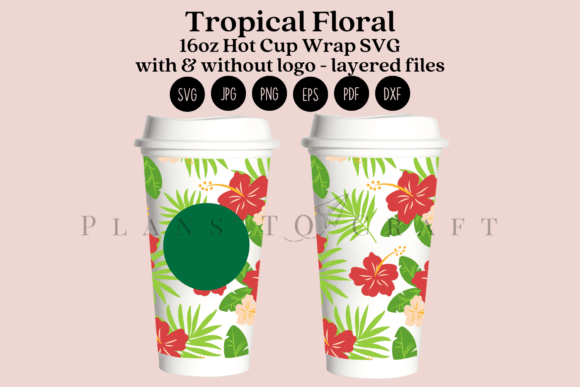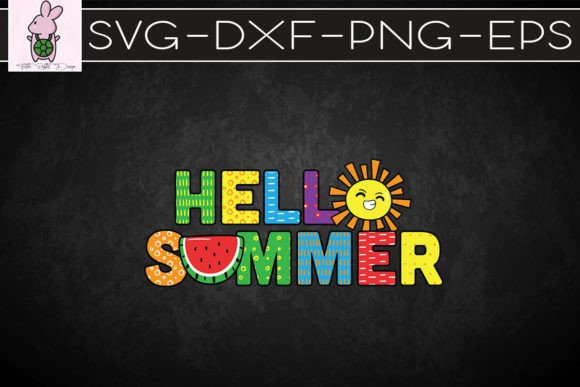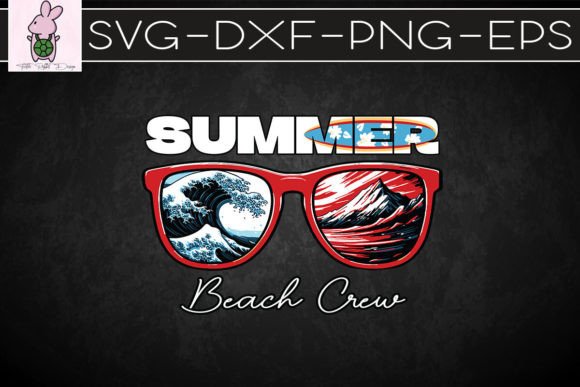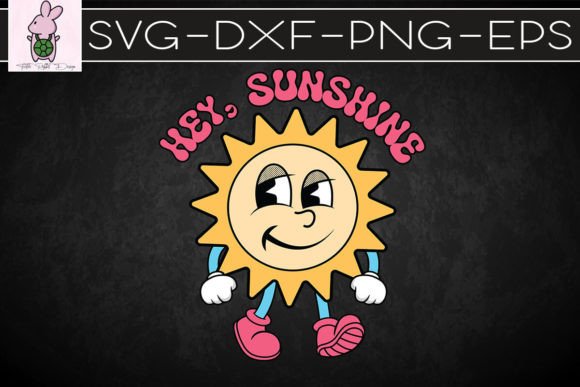
Summer Hello Summer Tropical Plants SVG
A Designer’s First Look: Bright, Friendly, and Just Right for Summer
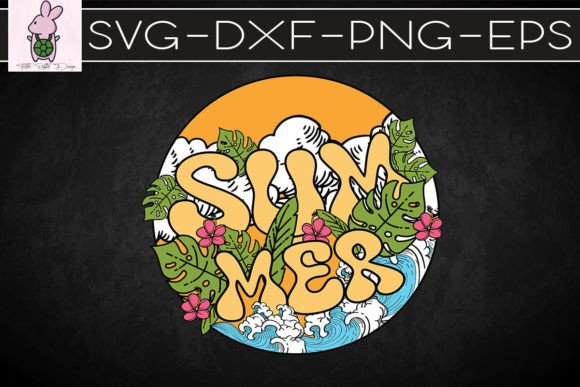
Opening Summer Hello Summer Tropical Plants SVG feels like stepping into a sunlit patio—lush, relaxed, and full of quiet energy. It’s not overly busy, but it’s not minimal either. The composition balances bold leaf shapes with soft curves and open negative space, making it feel breathable on fabric. The “Hello Summer” script flows naturally alongside stylized monstera, palm fronds, and maybe a trailing philodendron—just enough botanical detail to read clearly at 3–4 inches tall, but not so intricate that it’ll vanish in satin stitch or blur on textured cotton.
Where This Design Lives Best: Real Projects, Not Just Mockups
I recently prepped a batch of custom embroidered tote bags for a local boutique’s summer launch—and Summer Hello Summer Tropical Plants SVG was my top contender. Why? Because it lands perfectly between playful and polished. On a natural canvas tote, it reads as handmade but intentional—not cutesy, not corporate. I also tested it as a small chest embroidery on a lightweight organic cotton sweatshirt for a baby gift line: the scale held up beautifully, and customers responded to its warmth and seasonal clarity.
It works especially well for:
- Custom apparel—especially on crewnecks, oversized tees, and linen-blend shirts where the tropical motif feels authentic, not forced;
- Embroidered patches—the clean outer edges and moderate detail translate cleanly when cut and backed;
- Baby embroidery—soft shapes and no tiny eyes, faces, or fussy stems make it gentle and safe for onesies and burp cloths;
- Tote bag design and kitchen towel embroidery—it scales without losing charm, and the open layout avoids heavy fill-stitch buildup;
- Holiday embroidery for June weddings, baby showers, or graduation gifts—its freshness feels celebratory without being theme-locked.
What to Watch For: Where This Design Needs Thoughtful Handling
This isn’t a “drop-in-and-stitch” file for every surface. Its friendly looseness means it rewards intentionality. On stretchy fabric, like ribbed knit caps or lightweight jersey tees, I recommend basting or using a light tear-away + cut-away combo stabilizer—those flowing leaf outlines can waver if tension isn’t dialed in. And while the script is legible at 3 inches, don’t push it below 2.25" on a small hoop size; the inner curves of the “S” and “g” tighten up fast and may need manual cleanup in your embroidery software.
On dark fabric, contrast matters more than usual—the design relies on shape and flow, not high-contrast outlines. Test thread colors early: a warm olive green paired with cream or pale coral gives depth without muddying the silhouette. Avoid black-on-black or navy-on-navy unless you’re adding subtle metallic accent stitching.
Also keep in mind: this isn’t an applique design. There are no layered fabric zones built in, so if you’re planning fused or raw-edge applique, treat it as a machine embroidery design first—then adapt manually. And because it leans into organic lines, avoid ultra-dense stitch density on delicate fabrics like voile or chambray; let the design breathe with slightly longer satin stitch lengths and open fill areas.
How It Shapes Perception—Before and After Stitching
Customers notice mood before mechanics. When someone sees Summer Hello Summer Tropical Plants SVG stitched on a pillow cover or apron, they don’t see vector points—they feel ease, warmth, and seasonal rhythm. That translates directly to giftability and brand consistency for Etsy sellers and small shop owners. It doesn’t scream “trend,” which means it won’t date quickly on a boutique shelf or in a handmade product lineup.
But here’s what elevates it beyond aesthetics: its handmade presentation. Because the layout avoids tight corners and overlapping elements, even mid-level embroiderers get clean results without digitizing tweaks. That builds customer trust—no one wants to explain why a $48 embroidered tea towel has skipped stitches in the “o” of “Hello.” And for craft business owners bundling digital assets, this file’s design assets flexibility (SVG + PNG with clear background) makes it easy to drop into printable mockups or social previews without clipping or color bleed.
Practical Notes from the Hoop—Not the Catalog
Before stitching your first Summer Hello Summer Tropical Plants SVG project:
- Test on scrap fabric—especially if using textured weaves or blends. Note how the leaf tips hold up under satin stitch.
- Check thread color contrast on both light and dark fabric swatches. What reads well digitally may disappear after stitching.
- Review stitch density in your embroidery software. If fill areas look unusually heavy, consider reducing density by 5–8% for breathable fabrics.
- Confirm hoop size compatibility. While labeled “cup-sized,” verify whether your machine’s standard hoop fits the full design width—or if nesting smaller versions works better for caps or cuffs.
- Inspect small details in black-and-white mockups. Does the script stay legible? Do leaf veins read as texture or noise?
- Use proper stabilizer—lightweight cut-away for stable wovens, soft tear-away for knits, and always test wash one sample to check for puckering or thread migration.
- Confirm licensing before selling finished items or reselling the digital file. As a Graphics product in the Crafts category, usage rights aren’t stated here—so verify directly with the seller if you plan commercial embroidery or digital product resale.
Final Thought: A Design That Serves the Maker First
Summer Hello Summer Tropical Plants SVG doesn’t try to do everything—and that’s its strength. It’s not a maximalist jungle scene, nor a single-line minimalist icon. It’s a considered, seasonally grounded embroidery file that supports real work: personalized gifts that feel heartfelt, small shop merchandise that stands out without shouting, and custom apparel that wears well and photographs beautifully. For embroidery designers, Etsy sellers, and creative entrepreneurs building a recognizable visual language, it’s less of a trend and more of a reliable tool—one that earns its place in your working library, not just your seasonal folder.