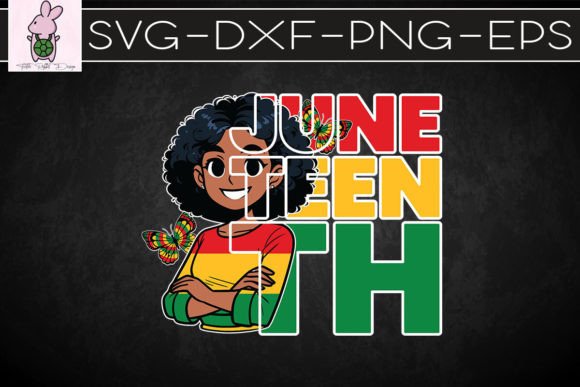
Juneteenth Black History Celebrate SVG
A Designer’s First Look: Clean, Respectful, and Ready for Real Stitching
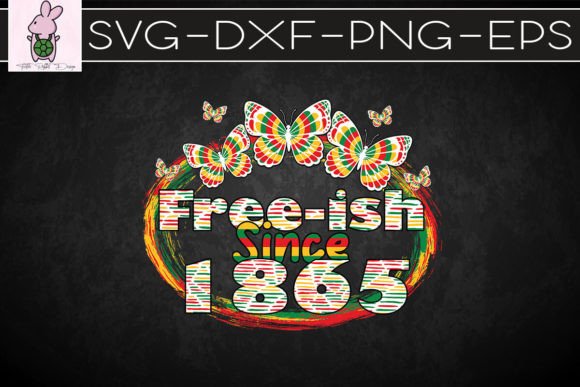
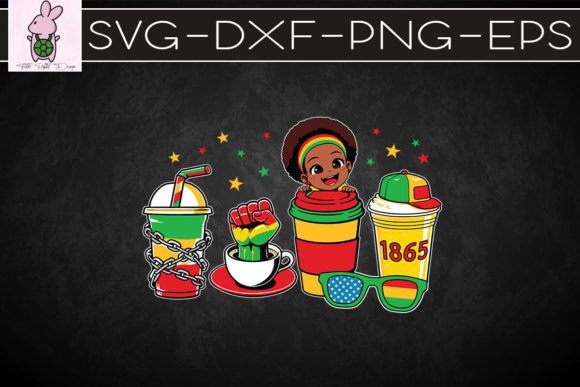
When I opened Juneteenth Black History Celebrate SVG, I wasn’t scanning for “cute” or “trendy”—I was checking for intention. Does it feel grounded? Does the composition breathe on fabric? Is it built for embroidery—not just screen display? The answer is yes. This isn’t a cluttered vector collage; it’s a focused, cup-sized design with balanced negative space, clear typography, and symbolic elements (like subtle star motifs and layered text) that read at a glance—even stitched in 3–4 thread colors. It lands somewhere between celebratory and reverent—ideal for apparel and home goods that honor Juneteenth without leaning into performative aesthetics.
Real-World Test: Embroidering a Linen Tote Bag for a Local Boutique
Last week, I used Juneteenth Black History Celebrate SVG to embroider a set of heavyweight linen tote bags for a neighborhood bookstore’s Juneteenth pop-up. Why this design worked so well there: its moderate width (fits comfortably in a 4x4 hoop), open letterforms (no tiny enclosed spaces that trap lint or distort), and intentional spacing between words kept satin stitches crisp on textured fabric. I paired navy thread on natural linen—no underlay overkill, no puckering. Customers responded immediately: “It feels handmade, not mass-produced,” one said. That’s the quiet power of a design that respects both craft and context.
Where It Shines—and Where to Pause
Juneteenth Black History Celebrate SVG excels in these real embroidery applications:
- Custom apparel: Sweatshirts, crewnecks, and structured tees—especially on left-chest or back-center placements where readability matters.
- Tote bag design and kitchen towel embroidery: The clean lines hold up beautifully on woven cotton and linen blends.
- Embroidered patch prep: Its defined edges and minimal gradients translate cleanly to sew-on or iron-on backing.
- Baby embroidery and nursery decor: Soft scale, no aggressive angles—perfect for onesies, bibs, or pillow covers when sized down thoughtfully.
- Holiday embroidery and personalized gift projects: It reads clearly in mockups and feels meaningful without being overly literal.
But here’s where I slow down:
- Stretchy fabric: Avoid direct hooping on knits like jersey unless you use cutaway + topping—those clean letterforms can blur if the ground fabric shifts mid-stitch.
- Dark fabric: The design relies on contrast. If stitching on charcoal or black, test thread color first—off-white or gold works better than pale yellow for legibility.
- Curved surfaces like caps: The horizontal layout doesn’t wrap well. Save it for flat panels—front panels of dad caps are fine; back curves aren’t.
- Frequent-wash items (baby clothes, tea towels): Confirm stitch density isn’t too sparse—running stitch outlines alone won’t survive repeated laundering. A light fill stitch behind key letters adds durability.
What This Design Says About Your Brand—Before a Single Thread Is Cut
Your choice of Juneteenth Black History Celebrate SVG signals more than seasonal relevance—it shows curation. It avoids caricature, cliché, or visual noise. That builds trust, especially with customers who value authenticity in handmade product and holiday embroidery. For Etsy sellers and small shop owners, it elevates perceived value: a cleanly stitched version on a premium tote reads as intentional, not opportunistic. And for craft business owners building long-term collections, this design fits naturally alongside other heritage-themed assets—no jarring style shifts.
Practical Embroidery Designer Notes You’ll Actually Use
Before stitching your first Juneteenth Black History Celebrate SVG project, do these five things:
- Test on scrap fabric—same weight and weave as your final piece. Watch how satin stitch wraps corners and how small details (like the dot over an “i”) render.
- Check thread color contrast in natural light *and* under store lighting. What reads well on screen may vanish on dark denim.
- Review stitch density in your embroidery software. If it’s light on fill stitch, consider adding a subtle underlay for stability on unstable fabrics.
- Confirm hoop size compatibility. While labeled “cup-sized,” verify it fits your machine’s standard hoop without scaling—distortion kills clarity.
- Inspect small details at 200% zoom: Are any paths overlapping? Are anchor points clean? SVG files can sometimes carry hidden vectors that confuse embroidery digitizing software.
Also: run a black-and-white mockup. If the design loses impact without color, it may need stronger shape definition. And always compare how it looks on light vs. dark backgrounds—this affects everything from stabilizer choice to thread selection.
Final Thought: Not Just a File—A Thoughtful Starting Point
Juneteenth Black History Celebrate SVG isn’t a plug-and-play gimmick. It’s a well-proportioned, commercially viable digital embroidery file that invites thoughtful execution. Whether you’re a solo maker prepping for a craft fair, an Etsy seller building a Juneteenth collection, or a small studio handling custom apparel orders, this design gives you room to work—without demanding excessive digitizing fixes or compromising clarity. It supports your craftsmanship instead of overshadowing it. That’s rare. And that’s why it earns space in my working library of design assets for meaningful, market-ready embroidery projects.